

Meal planning for beginners involves organizing meals in advance to save time and promote healthier eating. Start by creating a weekly menu and shopping list.
Meal planning can seem daunting at first, but it simplifies your life and improves your diet. Begin by assessing your weekly schedule and identifying the meals you need to prepare. Make a list of your favorite recipes, considering balanced nutrition.
Plan breakfasts, lunches, dinners, and snacks for each day. Stick to simple and familiar recipes to avoid feeling overwhelmed. Create a detailed shopping list based on your meal plan to ensure you have all necessary ingredients. This approach minimizes food waste, saves money, and makes grocery shopping more efficient. Meal planning helps you maintain a healthy lifestyle effortlessly.
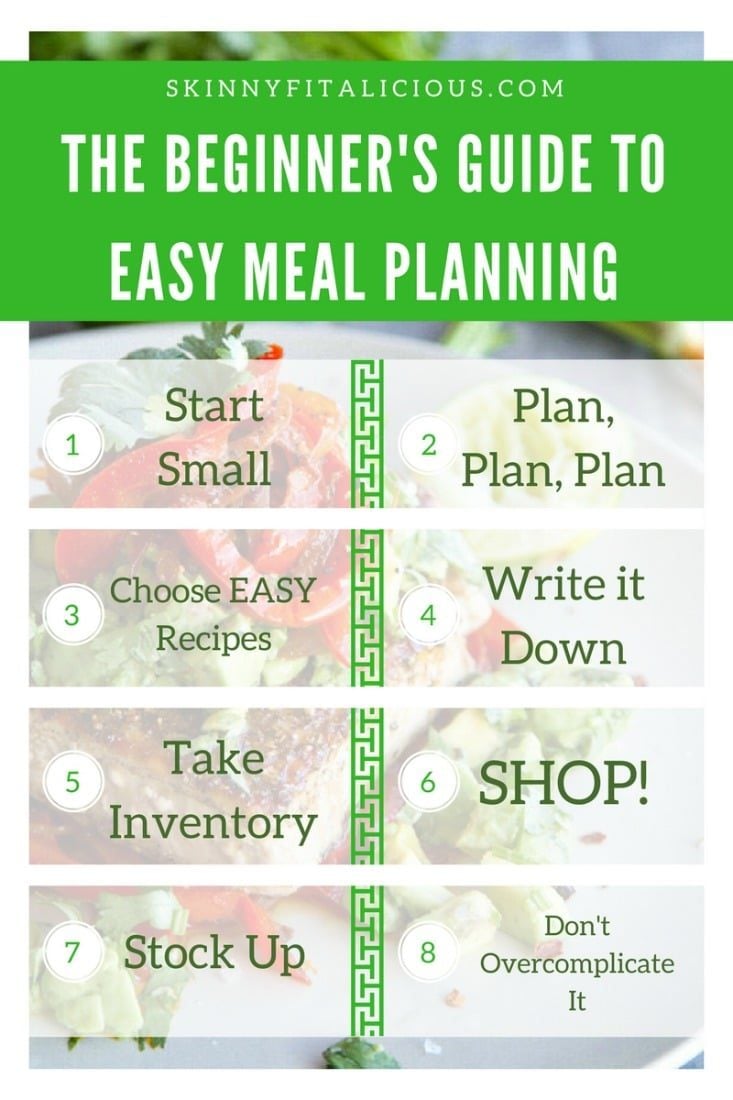
Credit: skinnyfitalicious.com
Introduction To Meal Planning
Meal planning can simplify your life. It’s an easy way to stay organized. You’ll save time and money, and eat healthier. This guide will help you start your meal planning journey.
Why Meal Planning Matters
Meal planning is important for several reasons:
- Saves Time: No daily meal decisions.
- Saves Money: Buy what you need.
- Reduces Stress: Know what to cook.
- Improves Health: Choose balanced meals.
Benefits Of Planning Ahead
Planning meals ahead offers many benefits:
- Healthier Choices: Plan balanced meals with veggies and proteins.
- Less Food Waste: Use ingredients before they spoil.
- Variety: Enjoy different meals each week.
- Time Management: Use time better with a plan.
Here is a simple table showing how meal planning helps:
| Benefit | Description |
|---|---|
| Healthier Choices | Plan meals with balanced nutrition. |
| Less Food Waste | Use all ingredients wisely. |
| Variety | Enjoy a range of meals. |
| Time Management | Organize cooking time better. |
Meal planning is a helpful habit. Try it and see the benefits for yourself!
Setting Goals
Meal planning is a great way to stay healthy and save time. Setting goals is the first step to successful meal planning. Goals help you stay focused and motivated. Let’s dive into how to set these goals.
Identifying Nutritional Needs
Understanding your nutritional needs is crucial. Everyone’s body needs different nutrients. Age, gender, and activity level affect these needs. You can consult a nutritionist for personalized advice.
- Kids need more calcium for bone growth.
- Adults may need more fiber for digestion.
- Athletes require more protein for muscle repair.
Consider using a nutrition calculator. It can help you understand your daily needs. Always aim for a balanced diet. Include fruits, vegetables, proteins, and grains in your meals.
Defining Personal Preferences
Personal preferences play a big role in meal planning. You will stick to a plan that you enjoy. Think about what foods you like and dislike. Do you prefer spicy or mild flavors?
Make a list of your favorite foods:
- Chicken
- Broccoli
- Rice
- Apples
Include these foods in your meal plan. Also, consider any dietary restrictions. Are you allergic to nuts? Do you avoid gluten?
Here’s a simple table to help you:
| Food | Preference |
|---|---|
| Chicken | Love |
| Broccoli | Like |
| Rice | Love |
| Apples | Like |
Use this table to guide your meal planning. Enjoying your meals makes it easier to stick to the plan. Happy meal planning!
Creating A Meal Plan
Starting a meal plan can seem overwhelming. But with a few steps, it becomes easy. A well-structured meal plan saves time, reduces stress, and promotes healthy eating. Let’s explore how to create a meal plan that works for you.
Choosing Recipes
Begin by selecting recipes you enjoy. Choose simple recipes with few ingredients. This makes shopping and cooking easier. Use a mix of favorite dishes and new recipes. This keeps meals exciting.
- Pick recipes that are easy to cook.
- Include a variety of ingredients for balanced nutrition.
- Consider recipes that use the same ingredients to reduce waste.
Use online resources or cookbooks for inspiration. Many websites offer meal-planning tools. These tools suggest recipes based on ingredients you have. This makes planning easier.
Balancing Meals
A balanced meal includes protein, carbs, and fats. Ensure each meal has these elements. Use the table below to help balance your meals:
| Meal | Protein | Carbs | Fats |
|---|---|---|---|
| Breakfast | Eggs | Whole Grain Toast | Avocado |
| Lunch | Grilled Chicken | Quinoa | Olive Oil Dressing |
| Dinner | Salmon | Brown Rice | Almonds |
Use this table as a guide. Substitute ingredients as needed. This ensures meals are varied and nutritious.
Include vegetables and fruits in every meal. They provide essential vitamins and minerals. This keeps you healthy and energized.
Grocery Shopping Tips
Meal planning can simplify your life, especially if you’re new to it. One crucial aspect is grocery shopping. Here are some tips to make it easier.
Making A Shopping List
Creating a shopping list is essential for meal planning. This helps you stay organized and focused.
- Plan your meals for the week.
- Check your pantry for existing items.
- Write down ingredients needed for each meal.
- Group items by category, like dairy, produce, and grains.
Using a list saves time and reduces stress. It also helps you avoid impulse buys.
Shopping On A Budget
Shopping on a budget can be challenging but manageable. Here are some tips to help you save money.
| Tip | Description |
|---|---|
| Use coupons | Look for discounts and deals in newspapers or online. |
| Buy in bulk | Purchase larger quantities for non-perishable items. |
| Compare prices | Check different stores for the best deals. |
| Choose store brands | Store brands are often cheaper and just as good. |
Sticking to a budget doesn’t mean sacrificing quality. Smart shopping can stretch your dollars further.
Meal Prep Basics
Meal prepping can make your life easier. It saves time and helps you eat healthy. Here are some basic tips to get started with meal prepping.
Batch Cooking
Batch cooking involves making large quantities of food at once. This method helps you prepare meals in advance. You can cook on weekends and enjoy ready meals all week.
| Food | Cooking Method | Storage Time |
|---|---|---|
| Chicken Breast | Grill or Bake | 4 Days |
| Rice | Boil | 5 Days |
| Vegetables | Steam or Roast | 3 Days |
Storage Solutions
Proper storage keeps your meals fresh. Use airtight containers to store your food. Label each container with the date.
- Glass containers are durable and microwave-safe.
- Plastic containers are lightweight and easy to stack.
- Silicone bags are great for freezing and saving space.
Keep your fridge organized. Place older items at the front. This way, you use them first. Freeze meals for longer storage. Use freezer-safe containers to avoid freezer burn.
Time Management
Meal planning can save you time and stress. Effective time management is key. It helps you plan meals efficiently. This guide will help beginners manage their time better.
Scheduling Prep Time
Schedule your meal prep time. Choose a day for this task. Sunday is often a popular choice. Dedicate 2-3 hours for meal prepping. This will make your week easier. Write down your plan in a planner or calendar.
Organize your ingredients before you start. This includes washing and chopping vegetables. Pre-cook proteins like chicken or beef. Store these in containers. Label them with dates for freshness.
Quick Meal Ideas
Need fast meal ideas? Here are some options:
- Overnight oats: Mix oats, milk, and fruits. Refrigerate overnight.
- Chicken wraps: Use pre-cooked chicken, veggies, and a wrap.
- Stir-fry: Combine pre-chopped veggies and protein. Cook in a pan.
- Salad jars: Layer ingredients in a jar. Add dressing when ready.
These meals are quick and healthy. You can prepare them in minutes. They are perfect for busy schedules.
Staying Motivated
Meal planning can be fun and rewarding. Staying motivated is key to success. Keeping track of your progress and celebrating small victories helps you stay on course. Let’s explore some practical tips to keep your motivation high.
Tracking Progress
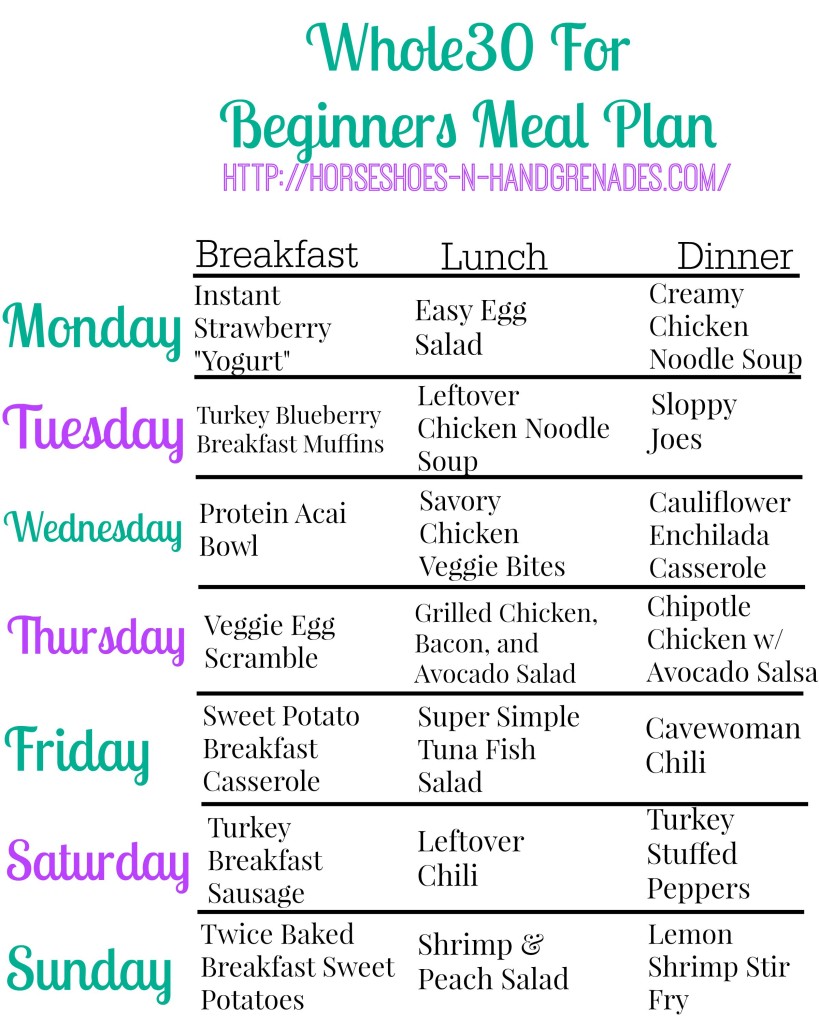
Tracking your meal planning progress can be simple and effective. Use a journal or an app to note down your meals. This helps you see patterns and make adjustments. For a visual aid, consider using a wall calendar. Mark off each day you stick to your plan. This daily habit builds consistency.
Here’s a simple table to track your weekly meals:
| Day | Breakfast | Lunch | Dinner |
|---|---|---|---|
| Monday | Oatmeal | Salad | Grilled Chicken |
| Tuesday | Yogurt | Sandwich | Fish Tacos |
Tracking helps you stay organized. It also highlights your accomplishments.
Celebrating Successes
Celebrating your successes is crucial. Small rewards can boost your motivation. Treat yourself to a new kitchen gadget or a favorite snack. Share your progress with friends and family. Their encouragement can be powerful.
Consider these celebration ideas:
- Buy a new recipe book.
- Have a movie night with healthy snacks.
- Take a relaxing walk in the park.
Rewards make the journey enjoyable. They also reinforce positive habits.
Remember, staying motivated is a journey. Track your progress and celebrate your wins. These steps will help you succeed in meal planning.
Credit: horseshoes-n-handgrenades.com
Common Challenges
Meal planning can feel like a daunting task for beginners. Many find it challenging to stay consistent and organized. Here, we discuss some common challenges faced by beginners and how to tackle them effectively.
Overcoming Obstacles
One common obstacle is time management. Busy schedules make it hard to plan meals. To overcome this, set aside a specific time each week for planning. Use a weekly planner or app to organize your meals.
Grocery shopping can also be challenging. Create a shopping list before heading to the store. This helps avoid impulse buys and ensures you get everything you need.
Another challenge is lack of variety. Eating the same meals can get boring. To keep things interesting, try new recipes or rotate different cuisines each week.
Staying Flexible
Life is unpredictable. Plans can change, and that’s okay. Staying flexible is key. Have backup meals that are easy to prepare. This ensures you always have a meal ready, even on busy days.
Keep some ingredients on hand for quick meals. Items like pasta, canned beans, and frozen veggies can be lifesavers. They allow you to whip up a meal in no time.
Use a mix of fresh and frozen ingredients. This keeps your meals nutritious and your planning adaptable.
| Common Challenge | Solution |
|---|---|
| Time Management | Set a specific planning time each week. |
| Grocery Shopping | Create a shopping list beforehand. |
| Lack of Variety | Try new recipes and rotate cuisines. |
Remember, meal planning gets easier with practice. Start small, and soon you’ll be a pro.
Resources And Tools
Starting your meal planning journey can be exciting but also overwhelming. The right resources and tools can make the process easier and more enjoyable. Below are some of the best apps and websites to help you get started.
Useful Apps
There are many apps designed to simplify meal planning. These apps can help you organize recipes, create shopping lists, and track your nutritional intake.
- Mealime: Customizable meal plans and easy-to-follow recipes.
- Yummly: Personalized recipe recommendations based on your preferences.
- Plan to Eat: Import recipes, plan meals, and generate shopping lists.
Helpful Websites
Websites offer a wealth of information and resources for meal planning. From recipe collections to meal planning templates, these sites have it all.
- AllRecipes: A vast collection of user-generated recipes.
- EatingWell: Nutritious recipes and meal planning tips.
- MyFitnessPal: Track your calories and macros while planning meals.

Credit: findingdelight.com
Frequently Asked Questions
How Do You Make A Meal Plan For Beginners?
Begin with simple recipes and plan meals around your favorite foods. Include a balance of proteins, carbs, and vegetables. Shop for ingredients in advance. Prep meals ahead of time to save effort. Adjust the plan weekly based on your preferences and goals.
What Are The 5 Basic Steps Of Meal Planning?
1. Determine your nutritional goals. 2. Plan meals around those goals. 3. Create a grocery list. 4. Shop for ingredients. 5. Prepare and cook meals.
What Are The 5 Rules In Planning Meals?
1. Balance nutrients with proteins, carbs, and fats. 2. Include a variety of colorful fruits and vegetables. 3. Plan portion sizes to avoid overeating. 4. Consider dietary restrictions and preferences. 5. Incorporate whole grains for added fiber.
What Are The 5 Principles Of Meal Planning?
The 5 principles of meal planning are variety, balance, moderation, adequacy, and enjoyment. Choose diverse foods, balance nutrients, control portions, ensure sufficient intake, and savor meals.
Conclusion
Starting meal planning can transform your eating habits and save time. It helps with healthier choices and reduces food waste. Remember to start small and stay consistent. With practice, meal planning becomes easier and more efficient. Happy planning and enjoy your meals!